What size PA system do I need? A guide by audience size
It is the question we are asked more than any other: how big a PA do I actually need? The honest answer is that audience size is only one of four things that decide it, and the other three are the ones people forget. Here is how we size a system when someone rings us, and how you can get close on your own before you do.
The four things that decide it
- How many people, and how spread out. Two hundred people seated at round tables in a wide room is a harder job than two hundred standing in front of a stage. Coverage matters more than raw power.
- Indoors or outdoors. This is the big one. A room pushes sound back at the audience; open air swallows it. The same speakers that fill a school hall will sound thin on a field.
- Speech or music. A system that carries a wedding speech beautifully will run out of headroom the moment a DJ starts. Music needs far more power, and it needs low end.
- What the room does to sound. Hard floors, high ceilings, glass and concrete all add reverberation, which blurs speech. In a difficult room the answer is usually more speakers placed closer to people, not one loud pair.
Speeches for up to about 100 people, indoors
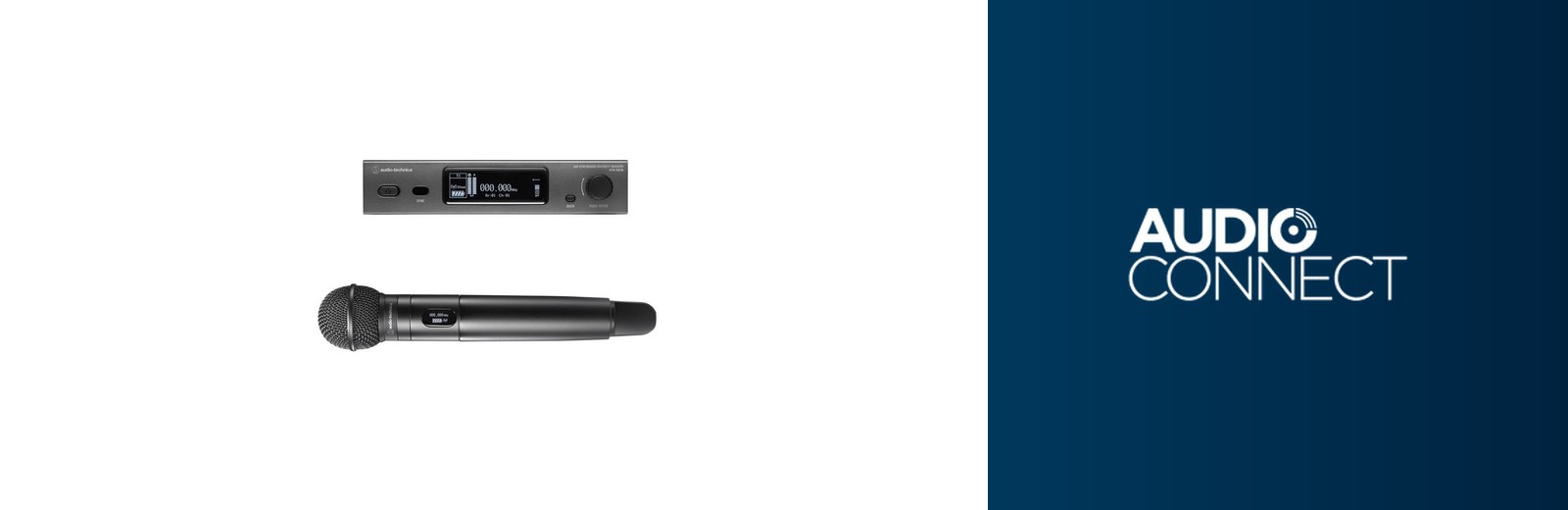
A single powered speaker on a stand with a wireless microphone will do this job, and a pair on stands will do it better because everyone hears roughly the same thing. This is the most common hire we do: a ceremony, an award evening, an AGM, a school prize-giving in a small hall.
You do not need a subwoofer for speech. You do need the speaker up on a stand, above head height, aimed at the back of the audience rather than at the first row.
Music, or a mixed programme, for 100 to 300 people
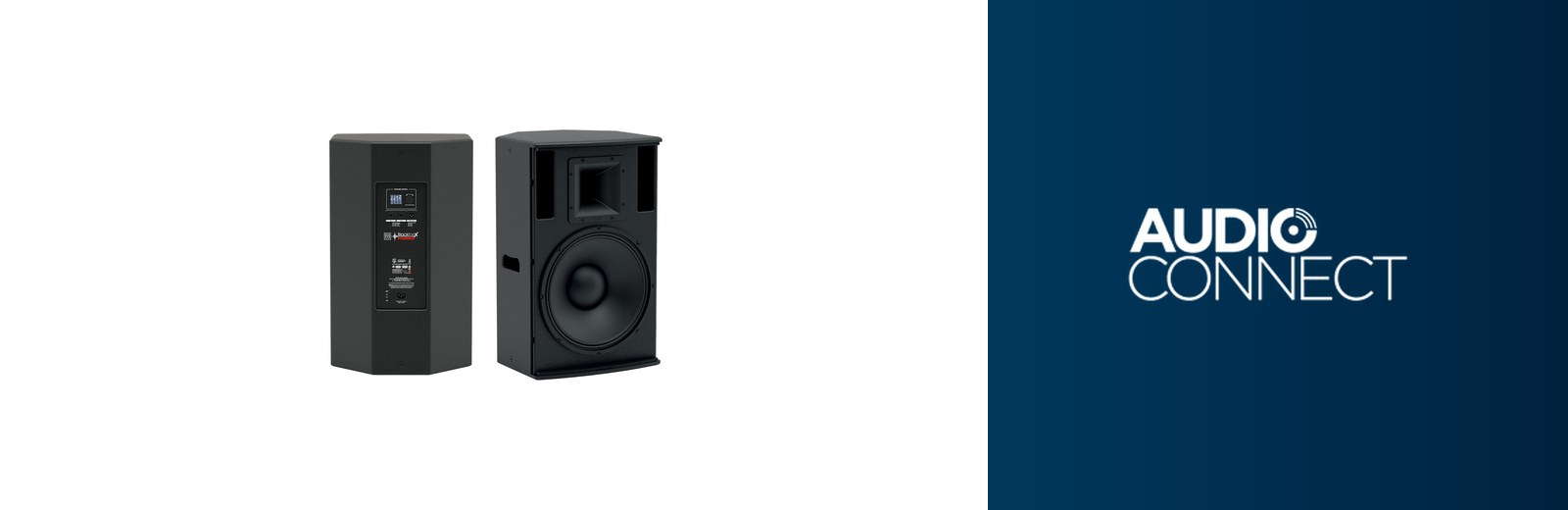
Now you want a pair of tops on stands plus a subwoofer. The sub is not about being loud, it is about the tops not having to do work they were never designed for. Take the low frequencies away from a 12-inch top and it will sound cleaner and last the night without straining.
This is the sweet spot for parties, school balls, club functions and most weddings where there is dancing after dinner. If the same event also has speeches, tell us, because the microphone choice and the way we set levels changes.
300 to 800 people, or anything outdoors
At this size you are into a bigger tops-and-subs system, usually with stage monitors so performers can hear themselves, and a mixing console with enough channels for the band or the panel. Most events this size are better with a technician on site, not because the gear is fragile but because the programme usually has cues, several microphones and a running order that has to hold together.
Outdoors, add a size. With no walls and no ceiling there are no reflections helping you, so plan for roughly the next system up from what the same crowd would need indoors. Wind, distance and background noise all eat into what the audience actually hears.
Bigger crowds and long throws
Beyond that you are into line array territory, where a column of loudspeakers is flown or stacked so the sound carries evenly from the front row to the back fence without deafening the people nearest the stage. This is crewed work: rigging, power, tuning and a mix engineer. Our event production service covers it.
The mistakes we see most often
- Buying or hiring on wattage. The number on the box tells you very little about how far the sound travels or how evenly it covers. Placement and coverage pattern matter more.
- One big pair at the front of a long room. The front tables get blasted, the back tables strain, and someone turns it up, which makes it worse. Two smaller pairs spread down the room is usually the better answer.
- Speakers on the floor. Sound is absorbed by the first row of bodies. Get the boxes on stands so they see the whole audience.
- Forgetting the power. Outdoor sites in particular. Work out where the nearest suitable power point is before the day, or plan for a battery-powered system where there is none.
- Sizing for the room, not the noise. A venue next to a road, or a marquee beside a bar, needs more than the same crowd in a quiet hall.
A quick way to get close
Answer these five and you will be within one size of the right system:
- How many people, and are they seated or standing?
- Indoors or outdoors?
- Speeches only, music only, or both?
- How many microphones, and does anything need to plug in, like a laptop or a DJ?
- Is there power near where the speakers will stand?
That is exactly what we ask, and it is enough for us to recommend a system rather than sell you the biggest one on the shelf. A correctly placed smaller system nearly always sounds better than an oversized one turned down, and it is cheaper and easier to transport.
Talk it through with us
Tell us the date, the venue and those five answers and we will suggest a system and price it. See speaker and PA hire, browse the full sound and AV hire range, or get in touch. If you would rather own the system than hire it, our AV installation service covers permanent systems for venues, schools, churches and workplaces.